
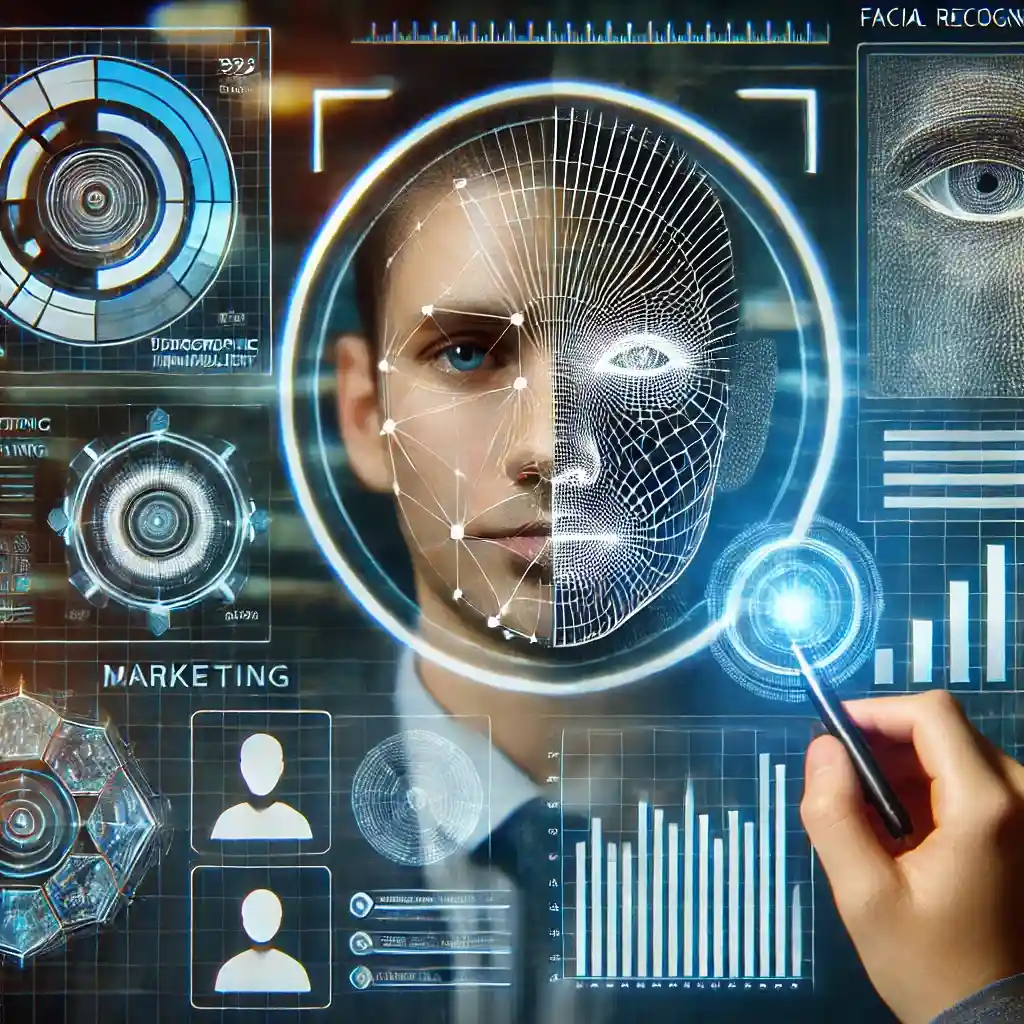
In today’s competitive digital landscape, businesses constantly seek innovative ways to connect with their customers. One of the most exciting advancements in this realm is integrating face recognition technology into digital marketing strategies.
This technology not only enhances personalization but also transforms how brands engage with their audience. Facial recognition is revolutionizing digital marketing, and its newest era guarantees a new level of personalization that will benefit both businesses and their customers.
Understanding Face Recognition
Face recognition is that technology that detects or verifies an individual’s identity using facial features. From a specific face, this technology allows a match with a database to verify the identity of a person. In the digital marketing sector, face recognition is used to collect valuable information about a customer, helping the brand shape its marketing strategies to the best of its abilities.
The Power of Personalization
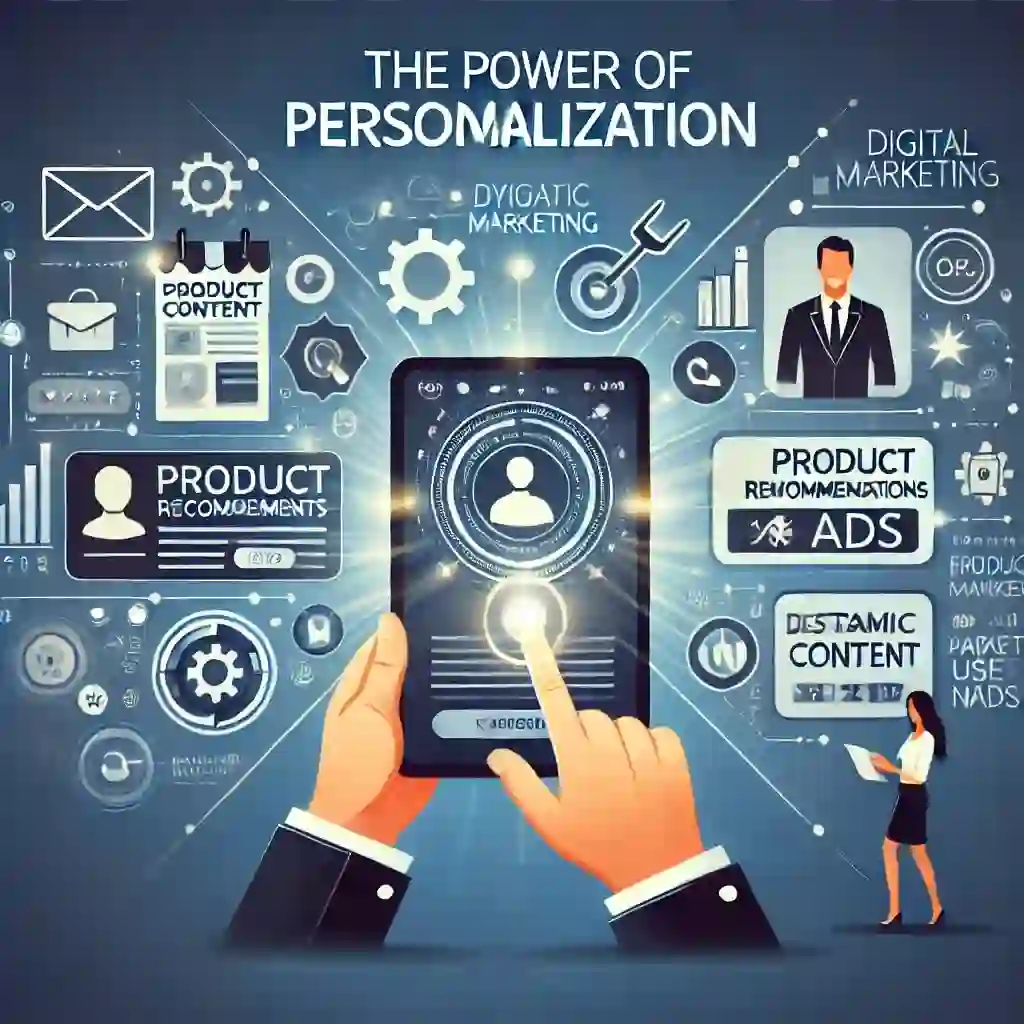
Personalization is the new buzzword in digital marketing. Consumers expect brands to know what they like and what is preferred, and they expect customized experiences. According to this method, companies can now efficiently make facial recognition technology work to their advantage.
Even marketers can analyze customer demographics and behaviors instantaneously, not to mention what is liked or preferred. They, thereby, can create particular campaigns that speak to certain segments.
For instance, if a customer walks into a retail shop with face recognition technology, it automatically recognizes them and fetches their shopping history. This information provides the sales associate with details for giving customized suggestions, thus improving the shopping experience altogether. With facial recognition, brands can connect better with their customers-increasing loyalty and thus, sales.
Customer Experience
Enhanced customer experience through facial recognition in several aspects.
Perhaps the most widely used application would be that of face verification. Nobody will now gain admission into a physical store or access an online account under pretenses regarding their identity.
Biometric verification could thus be used by companies to streamline the queuing procedure, have it speed up, and also make it safer for customers. No customer will complain of never again having to remember any passwords or stand in long queues.
Facial recognition can also aid brands in the development of content to be personalized to consumers. When a user logs onto a site, the system can detect facial responses to indicate her attitude towards different products or advertisements.
This enables marketers to adjust content in real-time and present offers that would likely appeal to the user’s mood or interest at any given time. Such real-time engagement deepens the connection between the brand and the consumer.
Data-Driven Insights
With the employment of face recognition technology in digital marketing, businesses get some very good data-driven insights. Understanding the demographics of those who might be interested in one’s brand will help him or her refine his or her marketing strategy.
For example, if facial recognition discovers that more young adults are visiting a particular store, then this brand will probably focus on promotions to appeal to that young adult target market.
Face recognition helps trace patterns of customer behavior.
Marketers can see the products that attract the most attention and those that elicit the best responses to advertisements. This is the essence of optimizing marketing campaigns and ensuring that resources are properly allotted. Brands will create far better campaigns when they know their audience better.
Privacy Issues and Ethical Issues
Despite the far-reaching benefits of face recognition in digital marketing, privacy issues need to be addressed. Consumers are getting more responsive about how data is being used, so the business needs to be transparent.
The implementation of facial recognition technology has to respect data protection regulations such as GDPR strictly. Companies should ensure to obtain consent from the users before taking their facial data.
Second, brands need to communicate very candidly with their customers about how they use facial recognition in the process of ID verification and personalization. Consumer trust is vital in this new marketing environment. Companies should be transparent and hence respect consumers’ privacy to build an amiable relationship with the customers positively.
Role of Artificial Intelligence
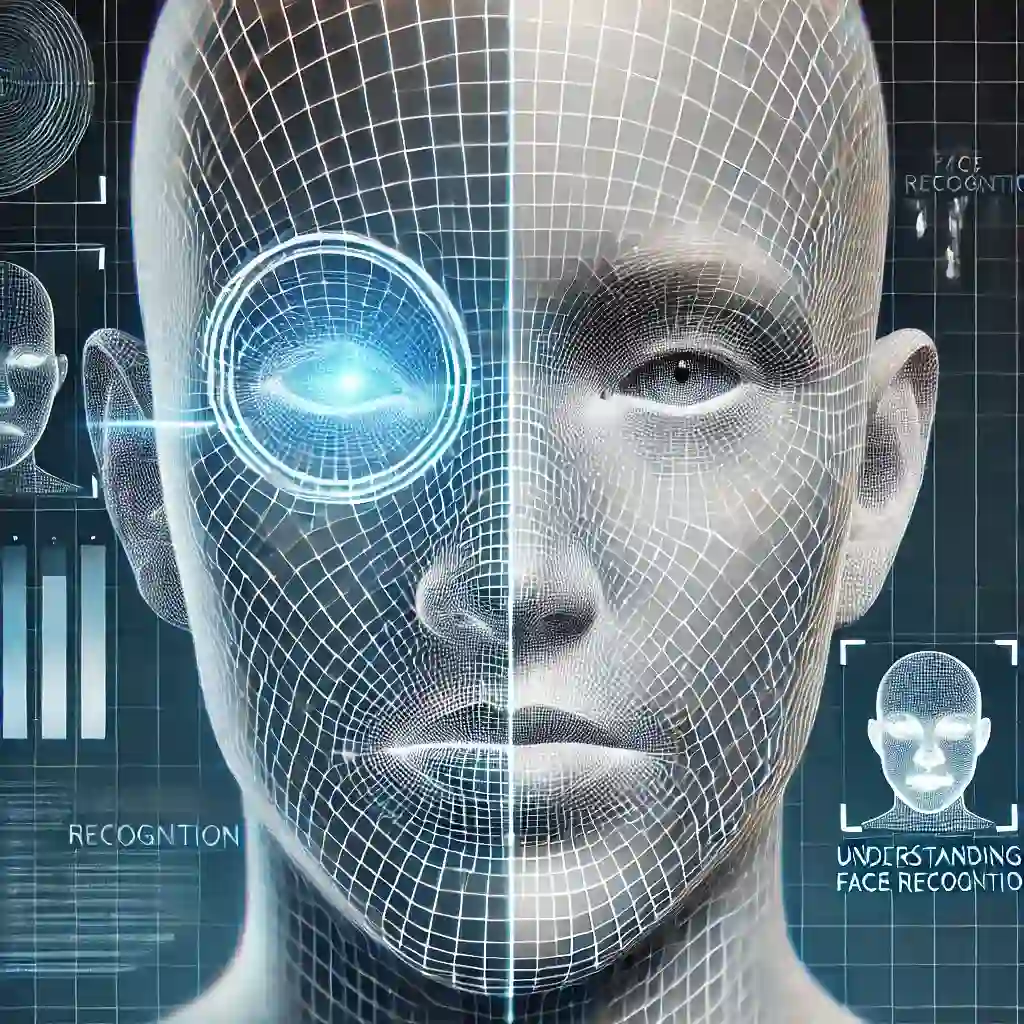
Artificial intelligence is one of the prime features that produces facial recognition technology. AI algorithms may process humongous amounts of data within minutes and deliver accurate responses. Hence, if AI is added to the face recognition system, it would enhance its effectiveness and allow any brand to respond immediately to the demands of its customers.
For instance, it can be used in facial recognition, where AI assists in determining the trends in customer preferences. When a particular style of clothing becomes popular among a specific demographic, brands can make quick adjustments in their inventory and marketing strategies. This agility enables businesses to stay ahead of the competition and meet the evolving demands of their customers.
Future Trends of Facial Recognition and Digital Marketing
The future for facial recognition in digital marketing looks quite promising with the evolving technology. Brands would most likely use it to personalize even further. New developments like AR integrated with facial recognition are going to allow customers to try products virtually before buying them, thus making the experience more enjoyable for consumers.
We can expect a further movement toward biometric authentication through facial verification as customers become accustomed to that kind of verification. It may even make transactions more convenient for customers about online shopping while securing transactions online.
Conclusion
Facial recognition marks the beginning of a new generation of personalization in digital marketing.
It will, therefore help brands personalize customer experiences. Targeted messages are deployed, and insights are obtained into the real behavior of consumers. Business needs to address the privacy issue and position itself within the bounds of ethics. Moving forward with this integration of facial recognition and AI will change the digital marketing sector in many ways to ensure deeper communications between a brand and its customers. These technologies enable a more customized experience to influence customer loyalty and business growth.